
Zakat & Sadaqa Committee
Zakat & Sadaqa Committee
Islamic Foundation has Zakat and Sadaqa committees that have been serving the needy for more than 30 years.
Zakat and Sadaqa funds are distributed to the needy with the consensus of the committee, which meets on a regular basis. The assistance is provided on a case-by-case basis, and members of the committee have a daunting task of assessing and evaluating one’s financial, familial, emotional and physical status in order to determine the proper level of need. Individual needs vary from financial stresses due to extremely limited income (e.g., on FDS cash, food stamps assistance, SSI, or low paying jobs) and expenses that become overwhelming in many cases.
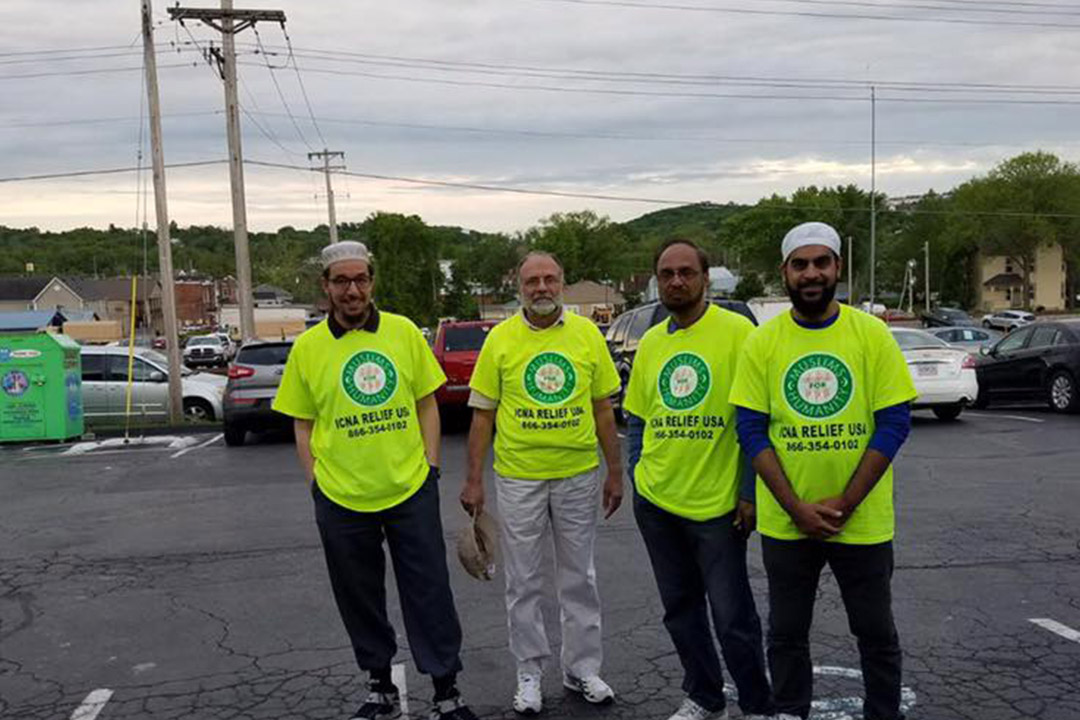
Assistance and services include :
- A referral to a physician (for free or reduced expenses), psychiatrist, or attorney as need dictates.
- Writing letters to hospitals, physicians, and clinics when medical bills are excessive and patients have no means to pay them. Our intention is to reduce or have the bills completely written off.
- Sponsoring Eid parties for children and families who do not have the means to celebrate these holidays. Children receive cash gifts so they can enjoy the Eid holiday. Transportation arrangements are made for families to attend these special occasions.
- Participate in outreach dinners to feed non-Muslim individuals and families to spread the goodwill of the Muslim community. Various members of the Social Services Committee handle the meat collection on Eid-ul-Adha to distribute to the needy in the community.
Other ways we help :
- Payment of rent, utility bills
- Training for employment (sewing, janitorial services, etc.)
- Employment and job search assistance
- Providing shelter and help for victims of domestic violence
- Summer camps for the needy children
- Eid Open House for needy families
- Distribution of Fitra money on Eid-ul-Fitr; meat donations on Eid-ul-Adha
- Learning of English and Quran classes
- Helping immigrants in the citizenship process
- Providing fans, heaters, furniture, household items, etc.
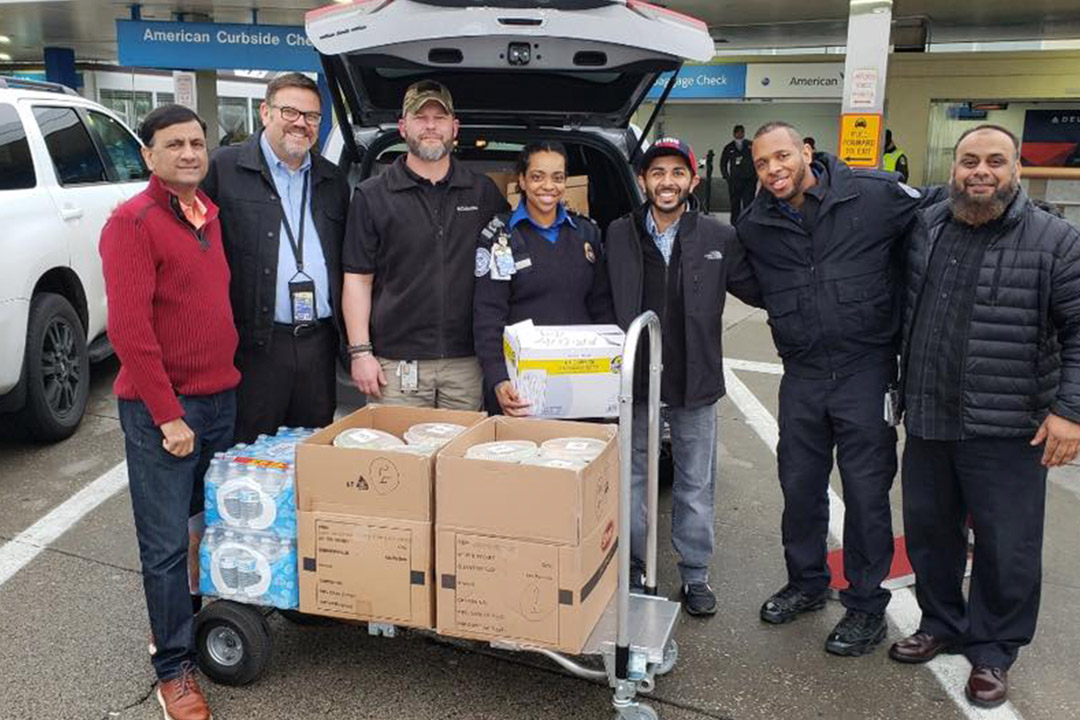
The work in the Zakat and Sadaqa Committee is always challenging and demanding. Members must attend regular meetings and provide their input in assessing the true need of the applicants seeking financial assistance.
Sincerely,
Chairman of Social Services Committee, Adil Imdad
Zakat, Fitra, Sadaqa, Ushr, Fidya, Kaffara, Ushur, Jizyah, ZAKAT & SILVER NISAB (Threshold) Criteria
ZAKAT: Must give Zakat if you have SILVER: Must give Zakat if you have:
3- ounces or 21- ounces or
7.5- Tolas, Bori, Vori or 52.52- Tolas, Bori, Vori or
56.25- pennyweight or 393.75- pennyweight or
87.48- grams 612.36- grams
Zakat: 2.5% on your annual Savings and Gold and Silver.
1. Poor 2. Needy 3. Zakat Collectors/Administrators 4. Those Whose Hearts are reconciled towards Islam 5. Those in Bondage (Slaves/Captives) 6. The Debt-ridden 7. Fe-SabilAllah: In the cause of Allah 8. The Wayfarer (Travelling with few resources)
Shaikh said: Zakat can be given to people in Debt, Baitulmal employees salary, Masjids which give dawah in Kaffir land, Madressa students out of town.
Fitra: (Zakat Al-Fitr): on Eid-al-Fitr, $8 per person (one time Full meal)
Sadaqa (Charity): FiSabilillah, Can be given to anyone including non-Muslims
Fidya: If you skip a Ramadan Fast for valid reasons (illness, old age) then, you must pay Fidya. Approx. 2kg of wheat, rice, dates per Fast or Feed ONE poor man for each day.
Kaffara (Penalty, Expiation): If you deliberately miss or break a Ramadan Fast without a valid reason, you must pay Kaffara. Free a Slave or FAST 60 consecutive Days. If you can’t, then feed 60 miskeen for EACH missed Fast or pay $480 (same as Fitra per person $8) for EACH missed Fast for Redemption
Ushur (Zakat Al’Ard): Pay 10% of harvest on mechanically irrigated land. And Pay 5% harvest on Rain-water irrigated land.
IFGSTL Zakat and Sadaqa Committe Policy/Procedures/Protocols for Cases
For New Cases:
- The new applicant must complete a ZSC application form and attach a government-approved photo ID.
- The ZSC applications can be obtained via fax, U.S. mail, or by visiting our website
- Within one or two days of receiving the ZSC form, an applicant is interviewed over the phone, followed by a home visit from a ZSC caseworker.
- If the ZSC caseworker is satisfied that all the information provided by the applicant (i.e., Sadaqa or Zakat, Food Stamps, SSI, Annual Income) is accurate, then he/she signs the ZSC form and submits it to the Chairman of ZSC.
- The Chairman/caseworker further inspects the case through other Organizations.
- If all the information has been assessed and evaluated properly, then the PO order is originated and submitted to the IFGSTL office.
- The amount of money to be granted depends on the applicant’s immediate need.
- In most cases, the Rent checks are made payable to the landlords, and the Utility checks are made payable to the Utility companies.
- Zakat and Fitra checks may be written directly to needy applicants in accordance with Islamic principles and IRS guidelines. ZSC is NOT responsible for investigating how the recipient spends his/her money.
- Priority and preference are given to refugees, orphans, widows, homeless, and domestic abuse applicants. We do not pay for Lawyer fees in most cases.
- A soft copy is also created for every new applicant and stored in the database
- There is a limit on Sadaqa/Zakat, depending on each family’s circumstances and number of dependents.
For Old (Repeater) Cases:
- To avoid wastage of paper & time, a repeater case does not have to fill out a form.
- If the information (i.e., address, Tel# or family #) has changed since the last assistance, note it on the PO form to update our database.
- Previous assistance history is properly checked in the database but NOT attached to the PO form to avoid wasting paper and time.
- It is Vital for everyone to explore ways to get employed, connect with other organizations to find jobs & vocational/job training so they can become self-supporting and NOT depend on Sadaqa/Zakat continuously.
- We require them to document their efforts to find a Job and be ready to present it if asked.